
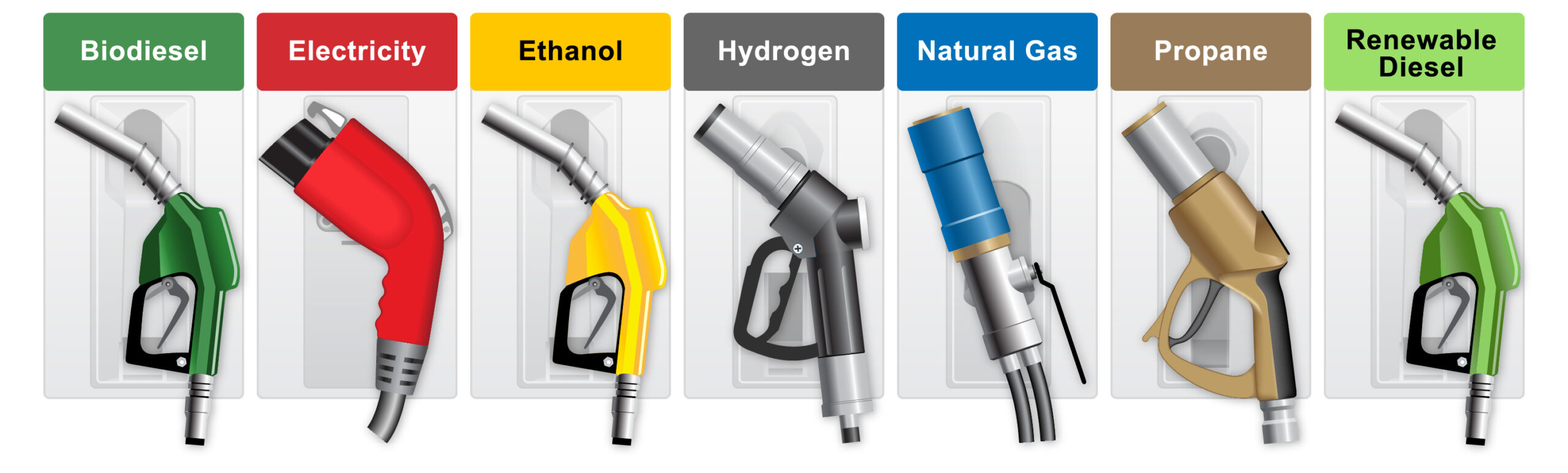
Alternate Fuels
Biodiesel
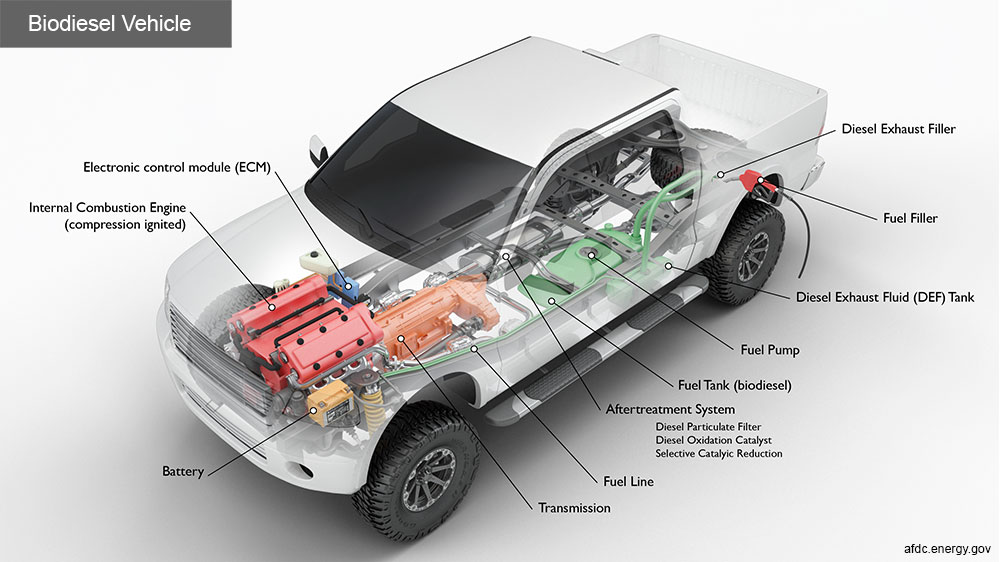
Biodiesel is produced from vegetable oils, cooking oils, and animal fats. Its makeup is similar to that of petroleum diesel. While biodiesel is renewable and biodegradable, it differs from renewable diesel. Biodiesel is created through a process called transesterification. This process distinguishes straight vegetable oil from biodiesel; straight vegetable oil does not meet ASTM International standards. There are different blends of biodiesel. The most common forms in the United States are B5, B20, and B100. B5, which contains 5% biodiesel, is still considered diesel fuel. This blend is not required to have separate labeling at the pump. B20 is the most common blend with 20% biodiesel. B100 is the least common, and using it in diesel engines may require equipment modifications. B20 and higher are considered alternative fuels and allow companies that utilize these higher blends to qualify for biodiesel fuel credits. Biodiesel is good for vehicle performance due to improved fuel lubricity, higher cetane, and shorter ignition delay.
Electric
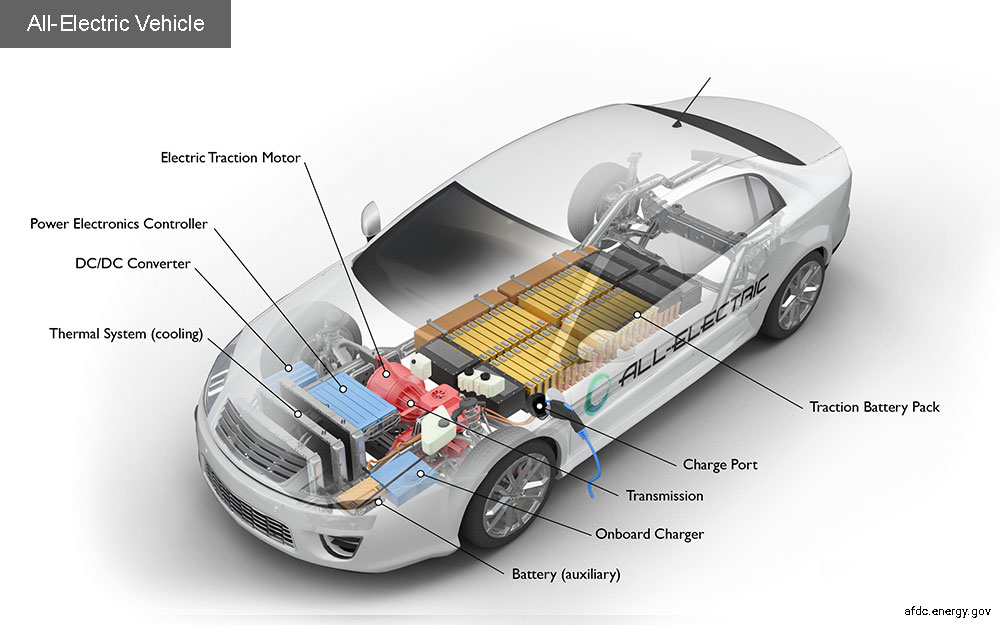
Electric vehicles use electricity to operate and can be plugged into an external power source; vehicles in this category include all-electric (battery electric or BEVs) and plug-in hybrid electric vehicles (PHEVs). Hybrid electric vehicles are not classified as EVs because they do not have a plug-in source. The benefits of EVs include energy security, improved fuel economy, low fuel costs, low-to-zero emissions, job creation, and available incentives. All electric vehicles are powered by an electric motor using the energy stored in the batteries. PHEVs use an electric motor powered by batteries to store energy, but are also powered by an engine—these vehicles plug in to an external source to recharge the batteries. EVs utilize regenerative braking, which helps retain energy by using the motor as a generator to transfer it back into the batteries. EVs are not limited to light-duty models, as more medium- and heavy-duty models are being produced. Check out the AFDC Alternative Fuels and Advanced Vehicle Search to locate electric vehicle models. All-electric vehicles require minimal maintenance, as batteries and motors require little to no upkeep; there are no fluids to change, and brakes last longer due to regenerative braking.
Ethanol
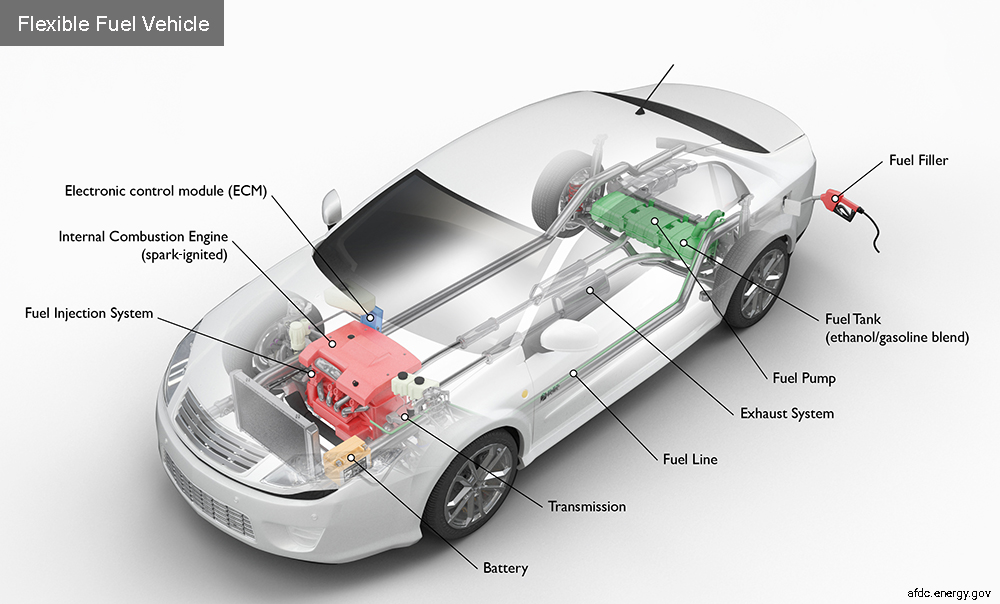
Ethanol is a clear, colorless liquid produced from plant materials and typically blended with gasoline. Ethanol is typically seen as E85 or Flex Fuel, as it is used in flex fuel vehicles (FFVs). The primary source of ethanol in the United States is field corn. Almost all plants can be used to produce ethanol because of their sugar content. The properties of ethanol include a higher octane number, lower energy content, water absorption, and flammability. Ethanol has different blends, similar to biodiesel. E10 contains 10% ethanol and 90% gasoline; this is the most common form and can be used in any gasoline vehicle. E15 contains 15% ethanol and 85% gasoline; this form can only be used in 2001 and newer vehicles. E85 is the blend used in FFVs and ranges from 51% to 83% depending on geography and season. This range helps ethanol function properly in its operating location.
Hydrogen
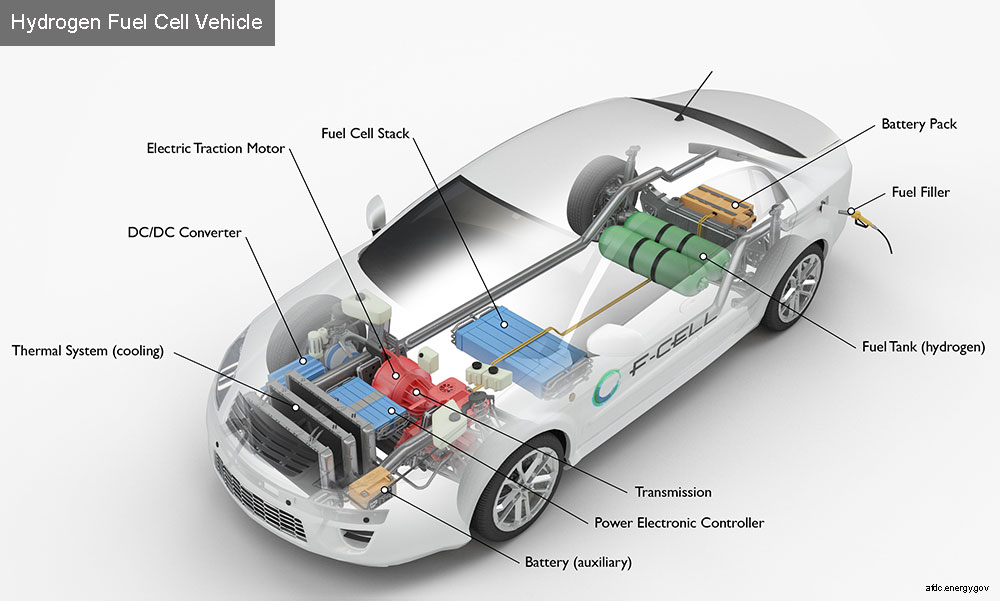
Hydrogen, when used to generate electricity through a fuel cell, is an emissions-free alternative fuel that can be produced from diverse domestic energy sources. Research and commercial efforts are under way to build the hydrogen fueling infrastructure and produce hydrogen fuel cell electric vehicles that are practical for widespread use.
Natural Gas
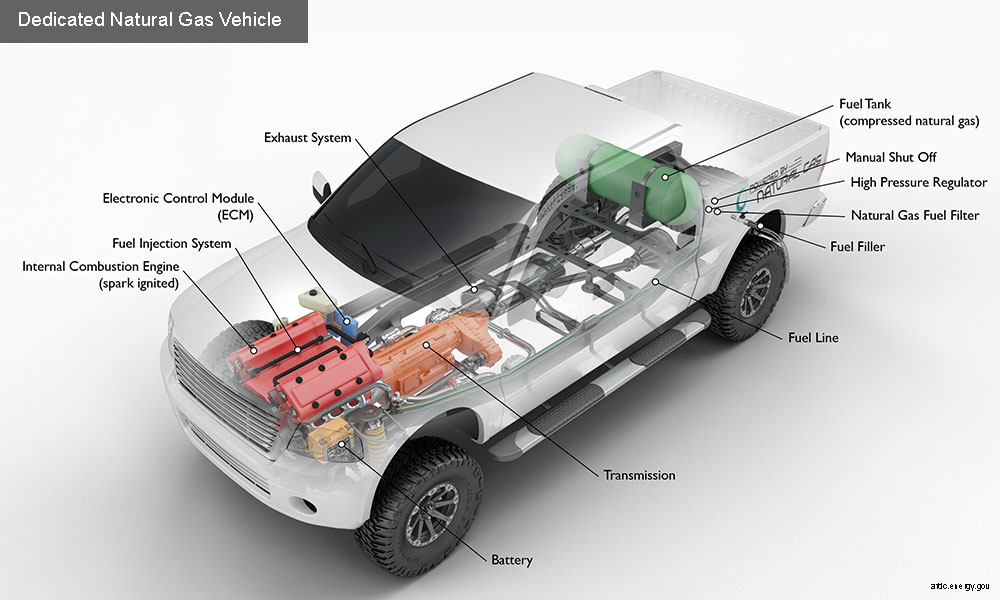
Natural gas is already widely used in the United States, where many use it to heat their homes. Most natural gas is produced from fossil fuels, but it can also be produced from renewable resources, such as organic matter. Natural gas alone is colorless; when burned, it produces a pale blue flame. It is odorless, but to reduce the risk of undetected leaks, odorants are added to help detect leaks. Natural gas has been increasing worldwide. Compressed natural gas (CNG) and liquefied natural gas (LNG) are the two forms of natural gas. CNG is the most common form found, as it is used in light-, medium-, and heavy-duty vehicles. LNG is better suited to over-the-road vehicles. It is sold in GGE, which means the amount of alternative fuel required to produce the energy content of 1 gallon of gasoline. Natural gas produces 6% to 11% fewer life-cycle emissions and improves human health by reducing emissions. Natural gas is produced domestically, helping the United States economy and reducing foreign dependence on oil. Renewable natural gas, or biogas, comes from the decomposition of organic matter, and by harvesting the methane from biogas, it reduces the release of methane into the atmosphere.
Propane
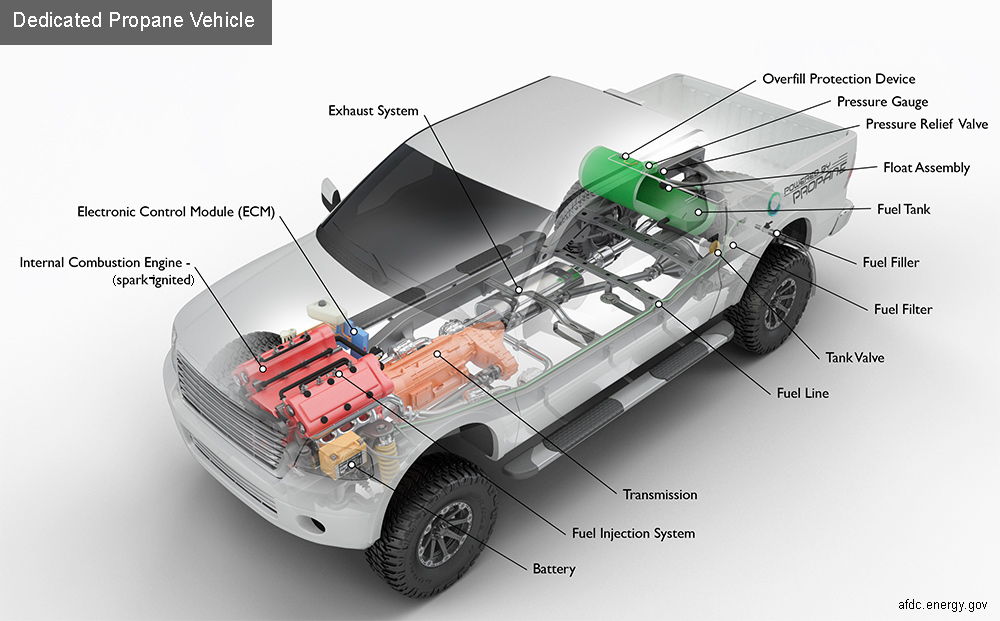
Propane is a clean-burning fuel that was classified as an alternative fuel in 1990. It is colorless, odorless, and non-toxic, but many distributors add odorants to help detect leaks. Propane can also be seen as liquefied petroleum gas (LPG) or propane autogas. As propane is domestically produced, it is an alternative due to its clean-burning, low-cost, and high-octane properties. Propane allows companies and individuals to achieve a quick return on investment. Other benefits of propane include low maintenance costs and the ability to improve engine life. Propane infrastructure is already found across the nation, and adding it is easy. There are two types of propane vehicles: dedicated or bi-fuel. Dedicated vehicles are propane-only vehicles, while bi-fuel vehicles are a combination of propane and gasoline.
Fuel Reduction Strategies
Idle Reduction
Idle reduction describes technologies and practices that reduce the amount of time drivers idle their engines unnecessarily. Reducing idling time has many benefits including reductions in fuel costs, engine wear, emissions, and noise.