
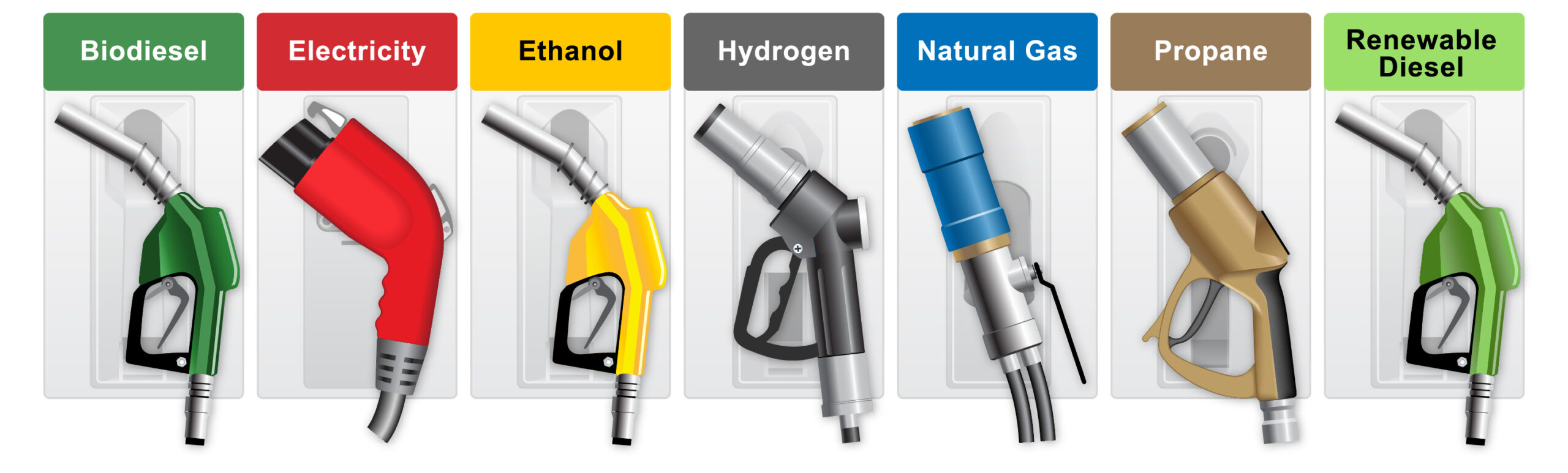
Alternate Fuels
Biodiesel
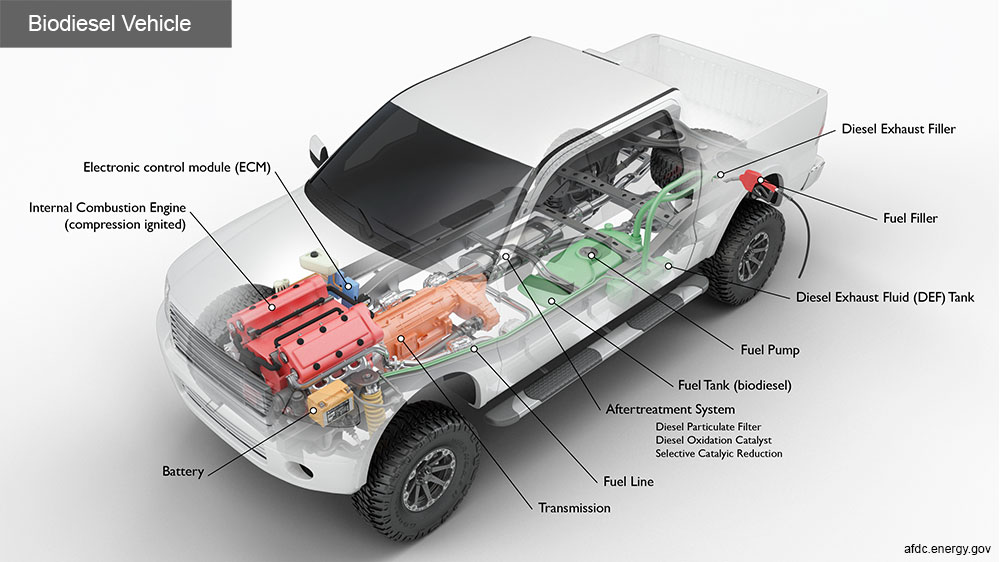
Biodiesel is a renewable fuel that is sourced from vegetable oils, animals fats, or recycled restaurant grease. The property is near that of petroleum diesel, but reduces carbon emissions and toxic air pollutants in older vehicles. The most common form in the U.S. is B20, which is 20% biodiesel and 80% petroleum diesel; there are other forms include B100 (pure biodiesel), B5, and B2. Biodiesel refueling stations are now found in all 50 states.
Electric
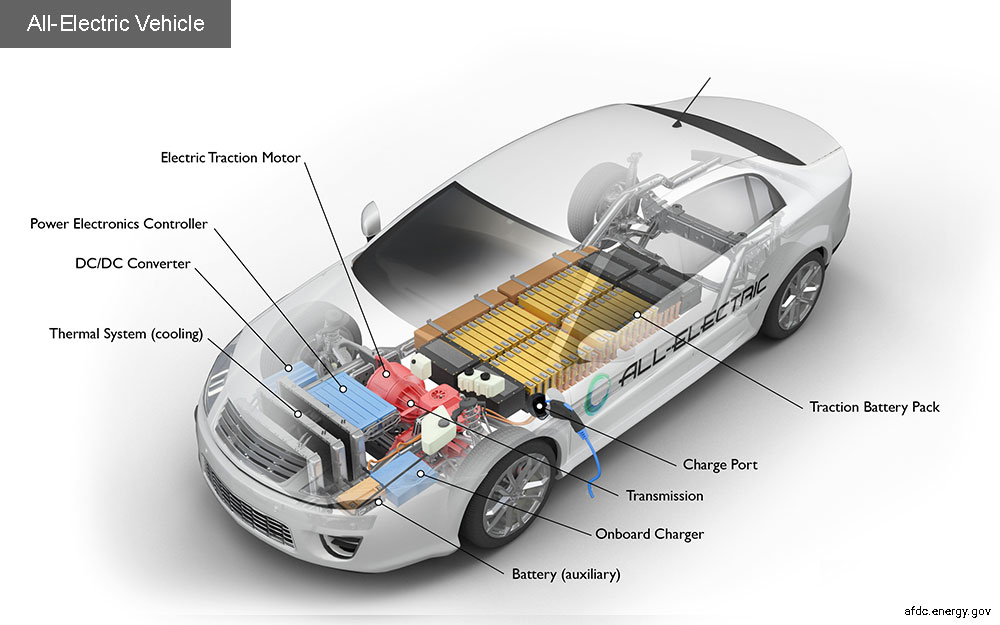
Electric vehicles (EVs), abttery-electric vehicles (BEVs), and plug-in hybrid electric vehicles (PHEVs) utilize a battery and electric motor instead of traditional gasoline or diesel tanks and a combustion engine. The electricity powers the vehicles batteries that pulled from the grid and other power sources. Hybrid electric vehicles (HEVs) are different as they still utilize fuels like gasoline, but they have batterie that capture energy lost during braking.
Ethanol
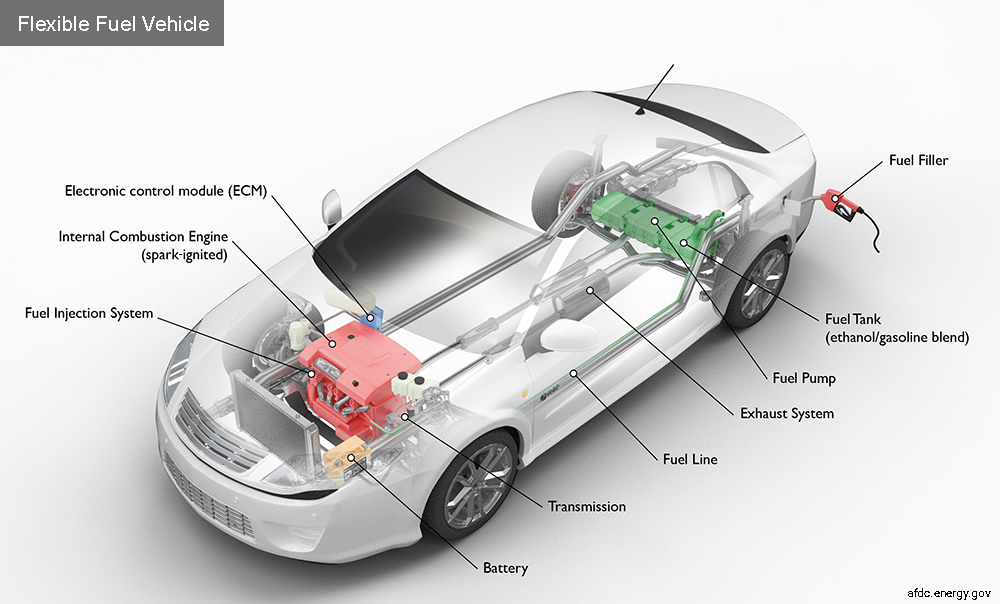
Ethanol is a renewable fuel made from corn and other plant materials. The use of ethanol is widespread—almost all gasoline in the U.S. contains ethanol in a low-level blend. Ethanol is also available as E85—a high-level ethanol blend—for use in flexible fuel vehicles. Kentucky Corn Growers offer funding to every new retail site and almost every gallon of gasoline in Kentucky contains 10% ethanol (E10). Kentucky produces 40 million gallons of ethanol, and 12 million bushels of corn are used to produce fuel ethanol in Kentucky.
Hydrogen
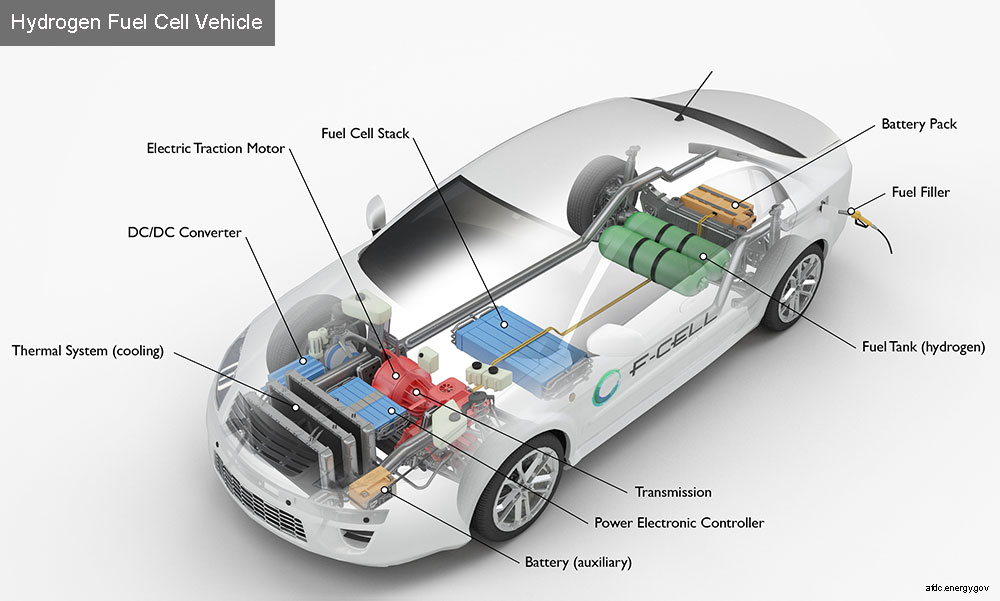
Hydrogen, when used to generate electricity through a fuel cell, is an emissions-free alternative fuel that can be produced from diverse domestic energy sources. Research and commercial efforts are under way to build the hydrogen fueling infrastructure and produce hydrogen fuel cell electric vehicles that are practical for widespread use.
Natural Gas
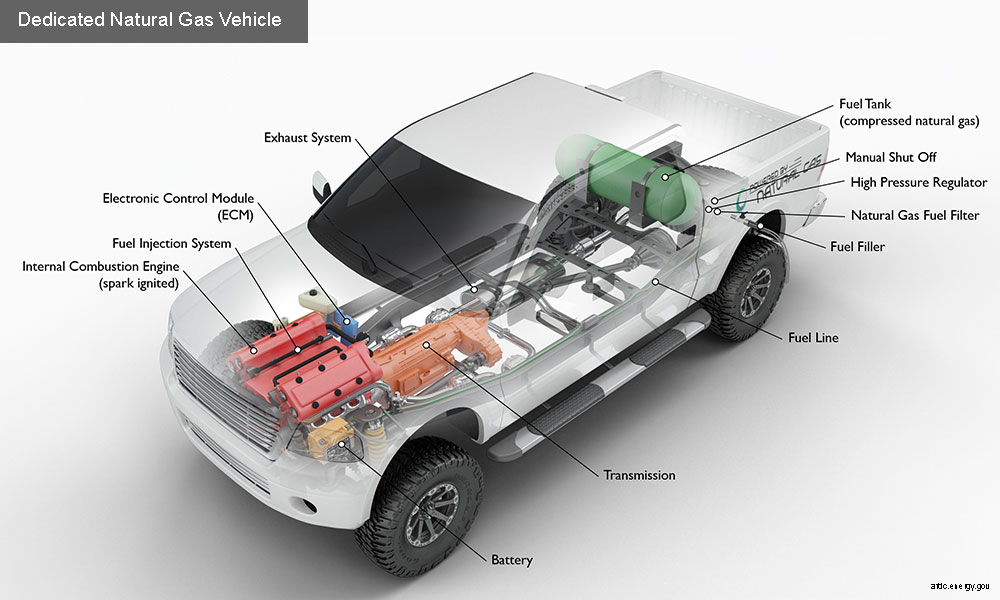
Natural gas is readily available through the utility infrastructure. This clean-burning alternative fuel can be used in vehicles as either compressed natural gas (CNG) or liquefied natural gas (LNG). Both are clean-burning, domestically produced, relatively low priced, and available. Because of the gaseous nature of this fuel, it must be stored onboard a vehicle in either a compressed gaseous (CNG) or liquefied (LNG) state. Natural gas is sold in units of diesel or gasoline gallon equivalents (GGEs) based on the energy content of a gallon of gasoline or diesel fuel.
Propane
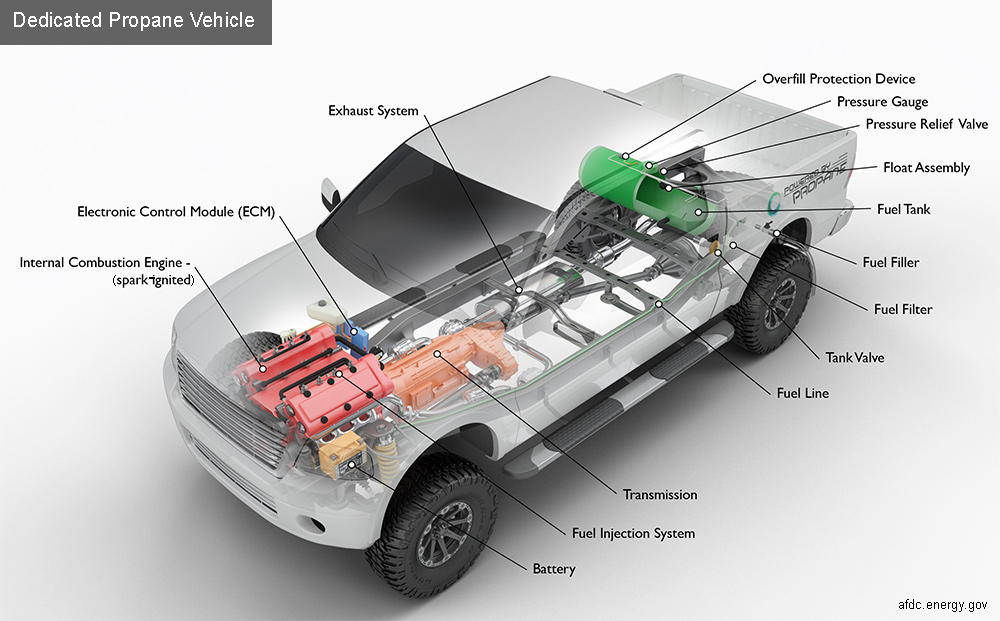
Propane, also known as liquefied petroleum gas (LPG) or Autogas, is stored as a liquid and propane fueling infrastructure is widespread. The Commonwealth of Kentucky collaborates with the Kentucky and National Chapters of the Propane and Education Research Council (PERC) and the Kentucky Propane Gas Association for new technology applications.
Fuel Reduction Strategies
Idle Reduction
Idle reduction describes technologies and practices that reduce the amount of time drivers idle their engines unnecessarily. Reducing idling time has many benefits including reductions in fuel costs, engine wear, emissions, and noise.