UPS Building Additional 15 CNG Fueling Stations and Increasing CNG Fleet

Plans to deploy 1,400 CNG tractors and delivery vehicles  

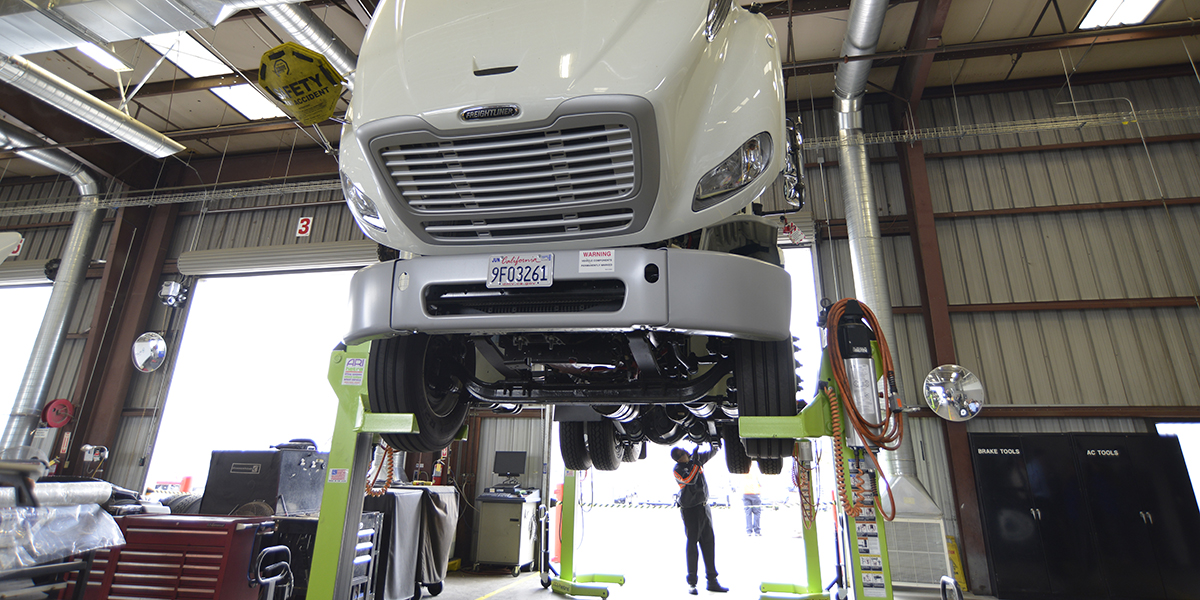
ATLANTA, April 1, 2015 – UPS (NYSE:UPS) today announced plans to build 15 compressed natural gas (CNG) fueling stations to support the purchase and planned deployment of 1,400 new CNG vehicles over the next year. Twelve of the CNG stations will be in new natural gas vehicle deployment areas, and three will replace existing CNG stations with more robust, higher capacity equipment.

 This purchase represents a nearly 30% increase to UPS’s current industry-leading alternative fuel and advanced technology fleet of 5,088 vehicles worldwide. The CNG fueling stations and vehicle purchases are part of UPS’ ongoing commitment to diversify its fuel sources, implement a fleet infrastructure that can utilize lower carbon intensity fuel sources and increase experience using alternative fuels in freight transport applications.

“UPS’s investment in a large scale alternative energy fleet has enabled the company to avoid more than 34 million gallons of conventional fuels since 2000,” said Mitch Nichols, UPS senior vice president of transportation and engineering. “Today’s CNG announcement demonstrates UPS’s plans to expand use of widely available natural gas. CNG is an important building block in our long-term fleet strategy and offers environmental and economic advantages.”

When the deployments are completed, UPS anticipates its alternative fuel and advanced technology fleet will continue to log more than 350 million miles per year, supporting the company’s goal of driving one billion miles in this fleet by the end of 2017. This will displace approximately 54 million gallons of conventional diesel and gasoline annually while reducing total vehicle emissions. According to the U.S. Department of Energy, the use of natural gas instead of gasoline cuts greenhouse gas emissions by 6-11 percent over the fuel life cycle.

UPS plans to deploy new CNG vehicles in 15 cities. The cities are Atlanta, Ga.; Charleston, W.Va.; Dallas, Texas; Denver, Colo.; Doraville, Ga.; Lenexa, Kan.; Lexington, Ky.; Montgomery, Ala.; New Orleans, La.; New Stanton, Pa.; Oklahoma City, Okla.; Port Allen, La.; Shreveport, La.; Richmond, Va., and Roanoke, Va. Currently UPS already has a total of eight CNG fueling stations in California, Colorado, Georgia and Oklahoma and operates CNG vehicles in Germany, the Netherlands and Thailand.

Using a “Rolling Laboratory” approach, UPS is one of the leaders in the industry developing the cleanest, most effective pathways to support the company’s effort to reduce emissions and dependence on fossil fuels while improving efficiency. The first package delivery company to introduce alternative fuel tractors into its fleet, UPS operates one of the largest private alternative fuel and advanced technology fleets in the U.S. Its fleet includes all-electric, hybrid electric, hydraulic hybrid, CNG, LNG, propane, biomethane and light-weight fuel-saving composite body vehicles.

UPS collaborates with various stakeholder groups to identify and promote transportation solutions that enhance the sustainability of emerging fuel choices. In 2012, UPS helped BSR (Businesses for Social Responsibility), launch Future of Fuels, a working group that promotes the development of lower-emission fuels for transportation. The group’s objective is to study the impacts of all fuel sources to help guide businesses in deploying alternative fuel vehicles in their fleets.

UPS’s sustainability initiatives are focused in four strategic areas: environmental responsibility, economic enhancement, empowered people and connected communities. For more information, please view the company’s most recent Corporate Sustainability Report at ups.com/sustainability. In 2014, UPS became the second U.S. company (and only one in the U.S. transportation sector), to report at GRI G4 Comprehensive, the GRI’s highest standard of transparency, with the release of its 2013 Sustainability Report. The Sustainability Report covering 2014 is scheduled for release this summer.

About UPS 

UPS (NYSE:UPS) is a global leader in logistics, offering a broad range of solutions including the transportation of packages and freight; the facilitation of international trade, and the deployment of advanced technology to more efficiently manage the world of business. UPS is committed to operating more sustainably – for customers, the environment and the communities we serve around the world. Learn more about our efforts at ups.com/sustainability. Headquartered in Atlanta, UPS serves more than 220 countries and territories worldwide. The company can be found on the Web at UPS.com and its corporate blog can be found at blog.ups.com. To get UPS news direct, visit pressroom.ups.com/RSS.

KCFC Spring Membership Meeting and Green Fleets of the Bluegrass Awards Ceremony

Kentucky Clean Fuels Coalition hosted a Spring Membership Meeting and Green Fleets of the Bluegrass Awards Ceremony at the Louisville Zoo on March 17.  Coalition members gathered to celebrate and recognize accomplishments from 2014 and display the various alternative fueled vehicles our members utilize throughout the state.  Nick D’Andrea from UPS delivered a featured presentation at the meeting detailing the UPS national and international alternative fuel fleet vehicles.


U.S. Senator Rand Paul to Introduce Fuel Choice and Deregulation Legislation

The Fuel Choice and Deregulation Act of 2015

Improving the environment and reducing emissions is a task best suited for American innovation, market competition, and consumer choice. When government does act, it should remove barriers to competition, not erect new ones. The Fuel Choice and Deregulation Act removes federal barriers to competition and innovation in America’s transportation fuel market. Competition and consumer choice will reduce our dependence on foreign oil, lower emissions, and help balance the scale to make alternative fuels an economically viable option in America.

Bill Summary:

  1. The Fuel Choice and Deregulation Act removes overly burdensome EPA certifications on aftermarket vehicle conversions.
  • Fleet turnover rates for American light-duty vehicles have varied widely over the years. Removing EPA regulations that unnecessarily increase the cost of aftermarket vehicle conversions will allow for accelerated market penetration of vehicles that are capable of running on alternative fuels and increase incentives for investments in refueling infrastructure. The Fuel Choice and Deregulation Act removes the EPA certification requirements, while ensuring the conversion does not degrade emission performance.
  1. The Fuel Choice and Deregulation Act reforms Corporate Average Fuel Economy (CAFE) requirements by permanently extending the credit for auto manufacturers of alternative fuel vehicles and providing a new bonus credit of compliance for automakers with at least half of their fleet comprised of alternative fuel capable vehicles.
  • Congress enacted the Corporate Average Fuel Economy standard to reduce American dependence on foreign oil. The CAFE standards have been a prominent part of this Administration’s strategy for reducing emissions. The current standard is 54.5 miles per gallon by 2025. Instead of using CAFE standards to force automakers to produce expensive vehicles that consumers do not want to buy, this bill reduces the regulatory burden of CAFE obligations on automakers by providing a bonus credit to alternative fuel automakers and deeming them in compliance with greenhouse gas emissions standards promulgated under the Clean Air Act.

III. The Fuel Choice and Deregulation Act requires liquefied natural gas (LNG) to be taxed based on its energy content rather than volume.

  • The federal highway excise tax on both diesel and LNG is 24.3 cents per gallon. However, because LNG has a lower energy content per gallon than diesel fuel (it takes about 1.7 gallons of LNG to travel the same distance on only one gallon of diesel) LNG is being taxed at 170 percent the rate of diesel on an energy equivalent basis. Reforming the LNG tax removes this federal barrier to competition that artificially raises the cost of LNG.
  1. The Fuel Choice and Deregulation Act reforms EPA’s Reid Vapor Pressure (RVP) requirements by allowing higher blend levels of ethanol to exceed the current 9.0 psi standard and prevents EPA from regulating biomass fuel.
  • RVP is a measure of how quickly fuel evaporates into the atmosphere. EPA regulates RVP in conjunction with ozone emissions in the summer months. Congress directed EPA to issue a “one pound waiver” for ethanol blends of 10 percent, allowing E10 to be sold at 10.0 psi. The bill extends this waiver to higher blend levels of ethanol, including E15.

View Fuel Choice and Deregulation Draft

U of L Conn Center to Hold Renewable Energy Workshop


U of L Conn CenterThe Conn Center for Renewable Energy Research at University of Louisville will be conducting a Workshop of Renewable Energy and Energy Efficiency in Louisville, KY during March 22-24, 2015.  The objective of this 3-day workshop is to engage students, faculty, government, industry and entrepreneurs across the region to have a focused discussion on the scientific and technological challenges associated with advancing renewable energy and energy efficiency research and entrepreneurship. The program is arranged over two and half days starting with Sunday afternoon, March 22. On Sunday, where short courses will be offered along with a student poster session and a reception. There will be a one-day organized sessions on solar, advanced energy materials, and membranes as well as a workshop banquet. Additionally, organized sessions on solar fuels, biofuels, energy storage, energy efficiency, and entrepreneurship will be held.

Ryder to Train All of Its Techs on NGVs

Ryder_trainingRyder System said this morning that it will train all of its North American maintenance personnel to handle natural gas vehicles – a move affecting more than 6,000 maintenance and service employees across a network of 800 maintenance facilities.

“The program will provide the company’s technician workforce with knowledge of all natural gas vehicle platforms and configurations,” Ryder said.

“Now is an appropriate time to ensure Ryder’s technician workforce at every facility is aware of the basic requirements for servicing the new technology,” Ryder Vice maintenance and quality operations VP Melvin Kirk said in a release.

Full Story Here

TARC Launches All-Electric ZeroBus Downtown

Barry Barker, TARC, Ryan Popple, Proterra, and Louisville Mayor Greg Fischer, join TARC for their All-Electric ZeroBus fleet launch at the Slugger Museum in downtown Louisville.

Barry Barker, TARC, Ryan Popple, Proterra, and Louisville Mayor Greg Fischer, join TARC for their All-Electric ZeroBus fleet launch at the Slugger Museum in downtown Louisville.

Mayor Greg Fischer joined TARC and other local officials today at the Louisville Slugger Museum to kick off the start of ZeroBus service in downtown Louisville.

ZeroBus, TARC’s all-electric fleet, is now providing fare-free rides for passengers along Main, Market and Fourth streets. The zero-emissions all-electric buses replace diesel-powered trolleys, the highest polluting TARC vehicles.

“ZeroBus changes the game for public transportation in downtown and represents the type of progress and forward-thinking focus we are embracing to improve our city,” said Fischer, who joined TARC Executive Director J. Barry Barker and others on a maiden ZeroBus trip.

“Louisville is the first city in this part of the country to have a fleet of all-electric buses in operation, putting us at the leading edge of high-technology, cleaner, greener transportation,” Barker said. “We encourage everyone to hop on a ZeroBus and stop along the way for some of the best Louisville has to offer in restaurants, museums and entertainment.”

The vehicles, with free wi-fi onboard, arrive at stops frequently – from every 10-18 minutes depending on the time of day – and offer a quiet ride. With expansive windows, an oval shape and a colorful blue and green design, they’re a distinctive addition to downtown.

Full Story Here

KCFC Members Gather for Annual Winter Meeting

Kentucky Clean Fuels Coalition hosted their annual Winter Membership Meeting on Tuesday, December 9 at The Woodford Reserve Distillery in Versailles, KY.  Guest speakers included Barry Zink, Wayne Supply, Curtis Donaldson, Cleanfuel USA, and Alan Steiden, Kentuckiana Cleanfuel.

Federal Alternative Fuel Tax Credits Back in Discussion

The U.S. House of Representatives on Wednesday voted to approve H.R.5771, the Tax Increase Prevention Act of 2014, which contains a provision that would retroactively extend the federal $0.50/gallon alternative fuels excise tax credits through the end of this year.

These credits, which cover compressed natural gas (CNG), liquefied natural gas (LNG), propane autogas and other products used as transportation fuels, expired at the end of 2013. Over the years, the 50-cent incentive has helped alternative fuels gain a foothold by offering retail, commercial and private refueling owners a means to shore up the bottom line or pass fuel-cost savings on to customers.

Full story here

Growing the United States Electric Vehicle Market

The White House and U.S. Department of Energy Announce Private Sector Commitments to Cut Carbon Pollution and Reduce Our Dependence on Foreign Oil

The Obama Administration is committed to taking responsible steps to combat climate change and reduce our dependence on oil. That is why today, the White House and the Edison Electric Institute, which represents investor-owned electric utilities, are announcing new commitments by more than 120 businesses, non-profits, and schools, including more than 70 Edison Electric Institute utility companies, to purchase electric vehicles and technologies and to install workplace charging stations.

Among those committed include Kentucky Clean Fuel Coalition members LG&E and KU, and the University of Louisville.

Full story here